Reading Labels
How to read a safety data sheet for a product you already own
A safety data sheet has 16 sections, written for workplaces. Here is where to find one and the four sections that matter most for a bottle under your sink.
 Under the Sinkhousehold product safety notes: labels, storage and safer use at home
Every article
Everything we have written, newest first: pictograms and signal words, storage habits, products never to mix, garage shelves and drop-off days.
A safety data sheet has 16 sections, written for workplaces. Here is where to find one and the four sections that matter most for a bottle under your sink.
Cleaning, sanitizing and disinfecting are three different jobs. How to tell them apart on a label, find the EPA number, and read the contact time correctly.
Dogs lick floors and cats walk across worktops. A room-by-room look at the cleaners, baits and drips pets find, and who to call if your pet gets into one.
Half-used paint, old weedkiller, dead batteries: what counts as household hazardous waste, where it goes in the US, UK and EU, and how to take it there safely.
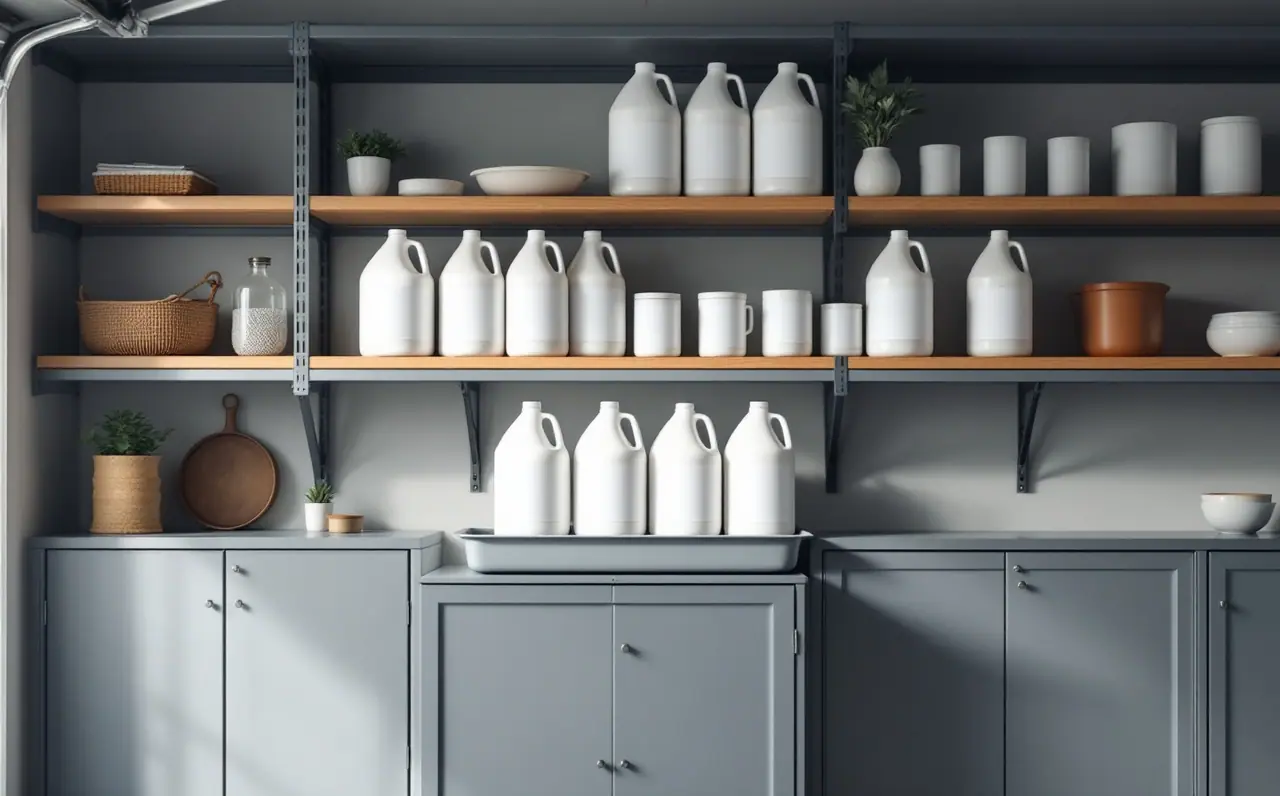
Antifreeze tastes sweet, screenwash often holds methanol and fuel cans need closing properly. How to store car fluids in a garage shared with children and pets.
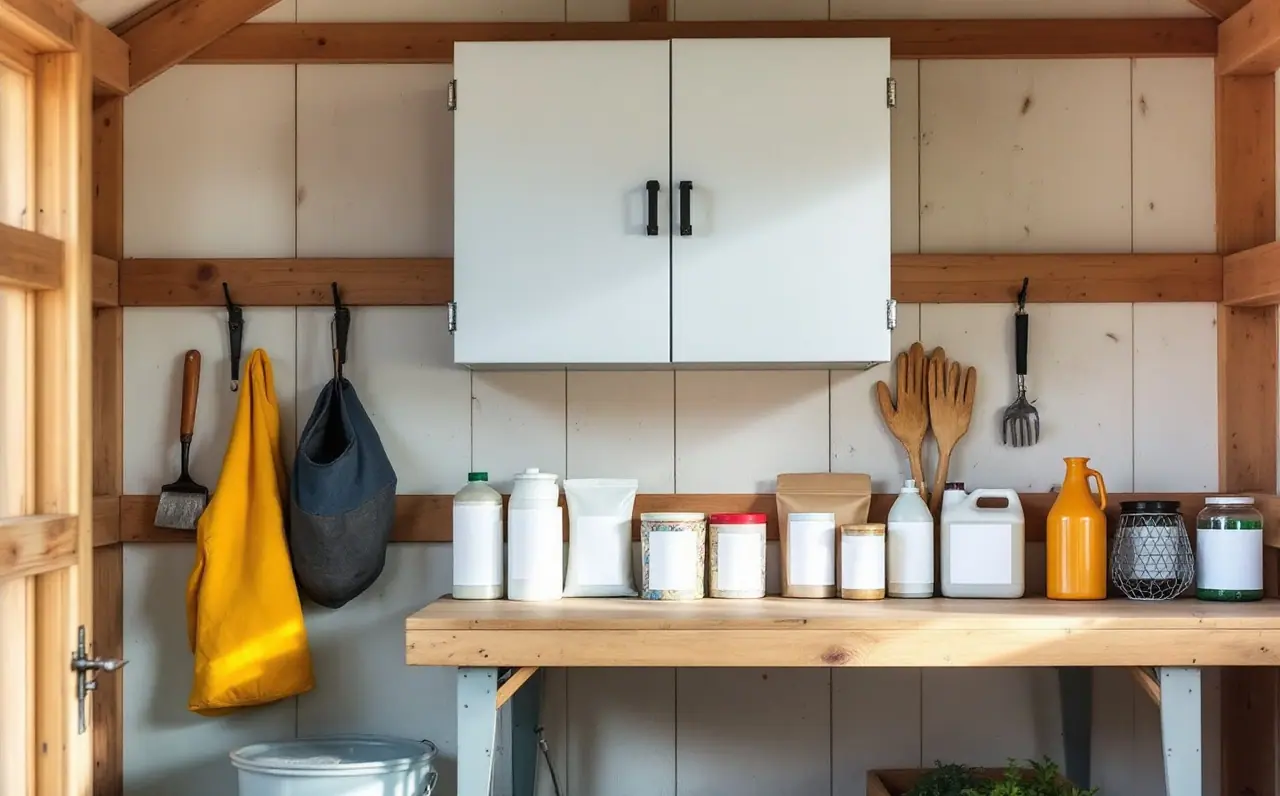
Garden chemicals end up in the shed by default. How to plan that shelf: a locked cabinet, original packs, even temperatures and slug pellets well out of reach.
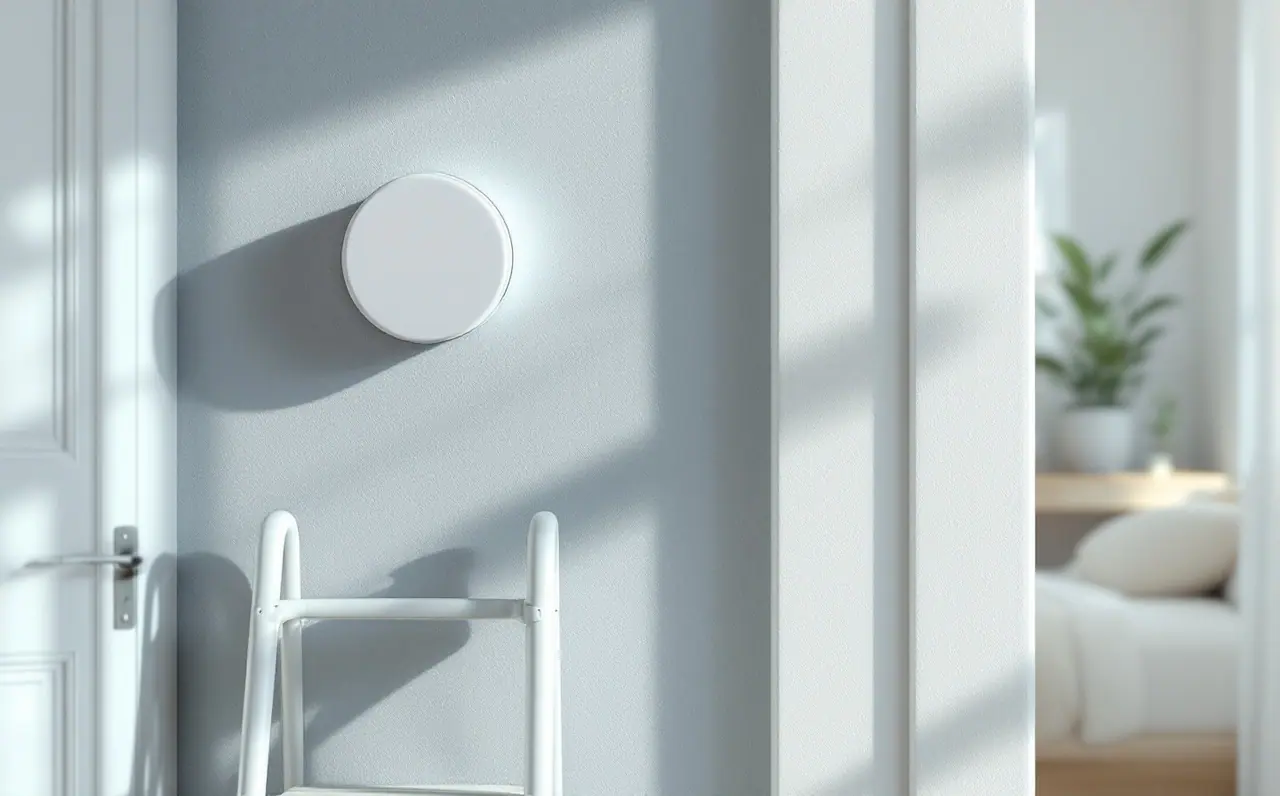
Where carbon monoxide alarms belong, how often to test them, what the beeps mean, when the alarm itself needs replacing, and what to do the moment it sounds.
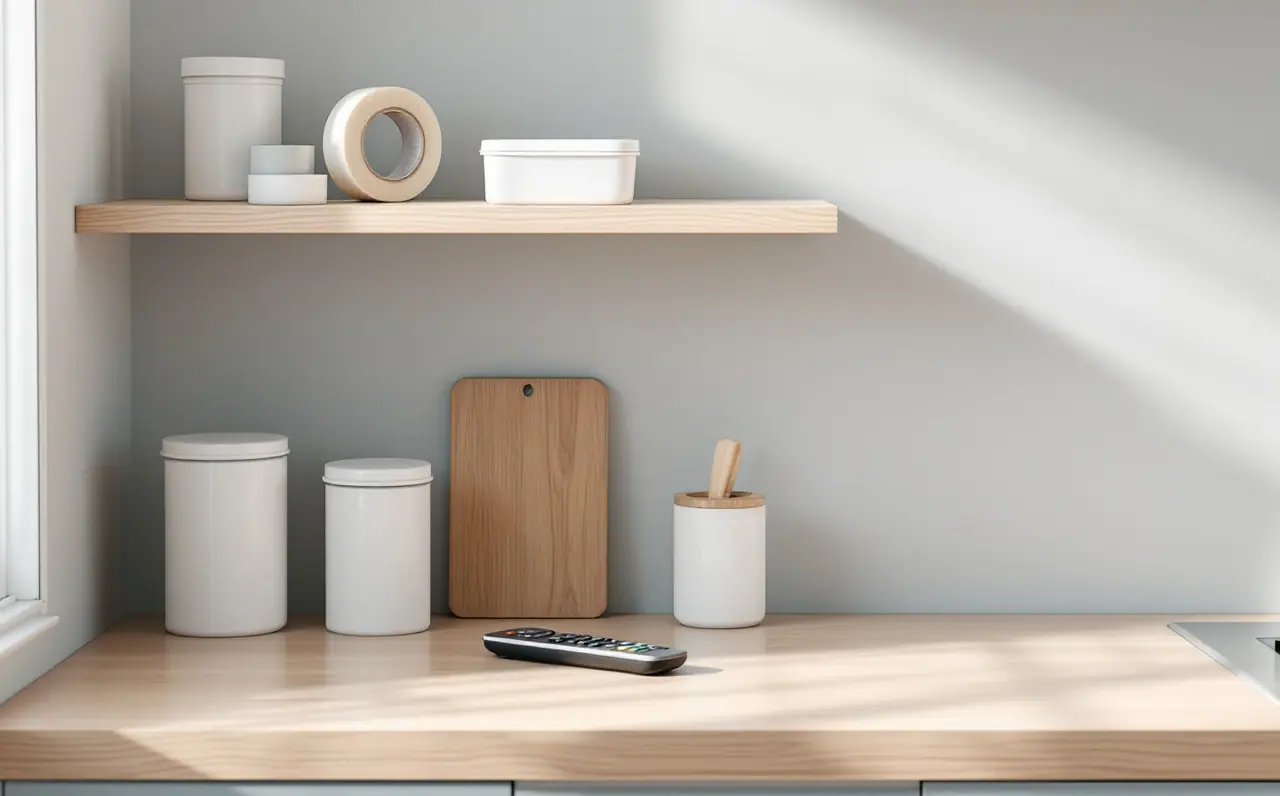
Coin and button batteries sit in remotes, car keys, scales and toys. A room-by-room check of where they hide, how to store spares and get rid of old ones.
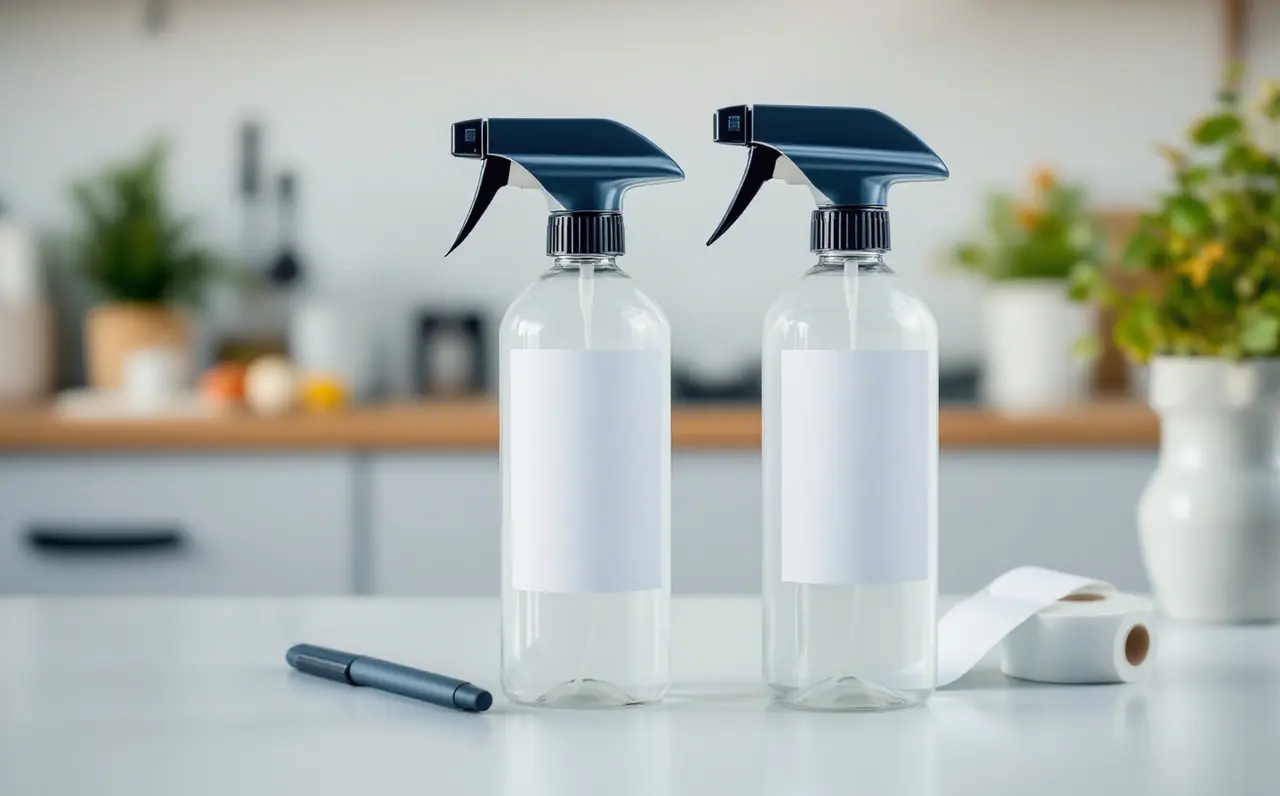
A drink bottle of weedkiller or an unlabeled spray of bleach is how mix-ups start. Why the original container matters, and how to label a dilution you need.
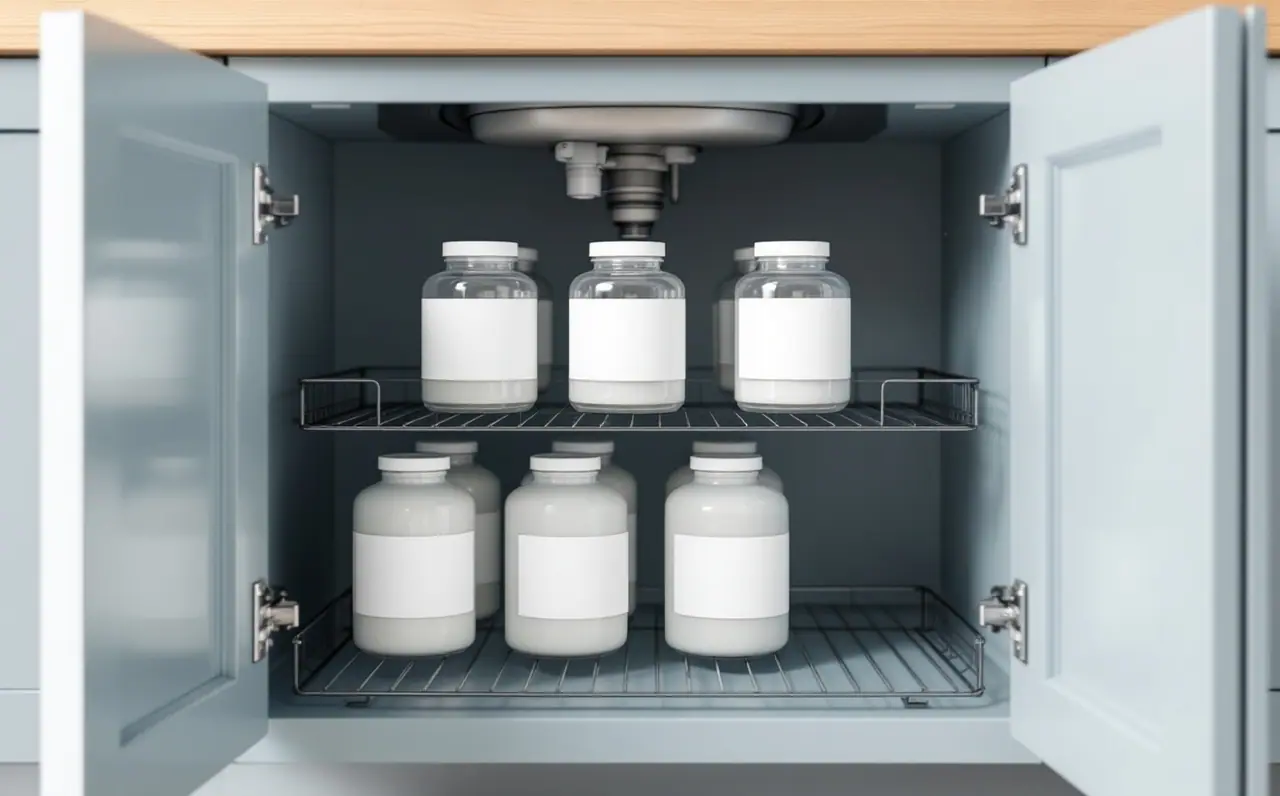
The cupboard under the sink is low, latch-free and full of bottles. How to empty it of the worst products, choose a latch that suits it and keep checking it.
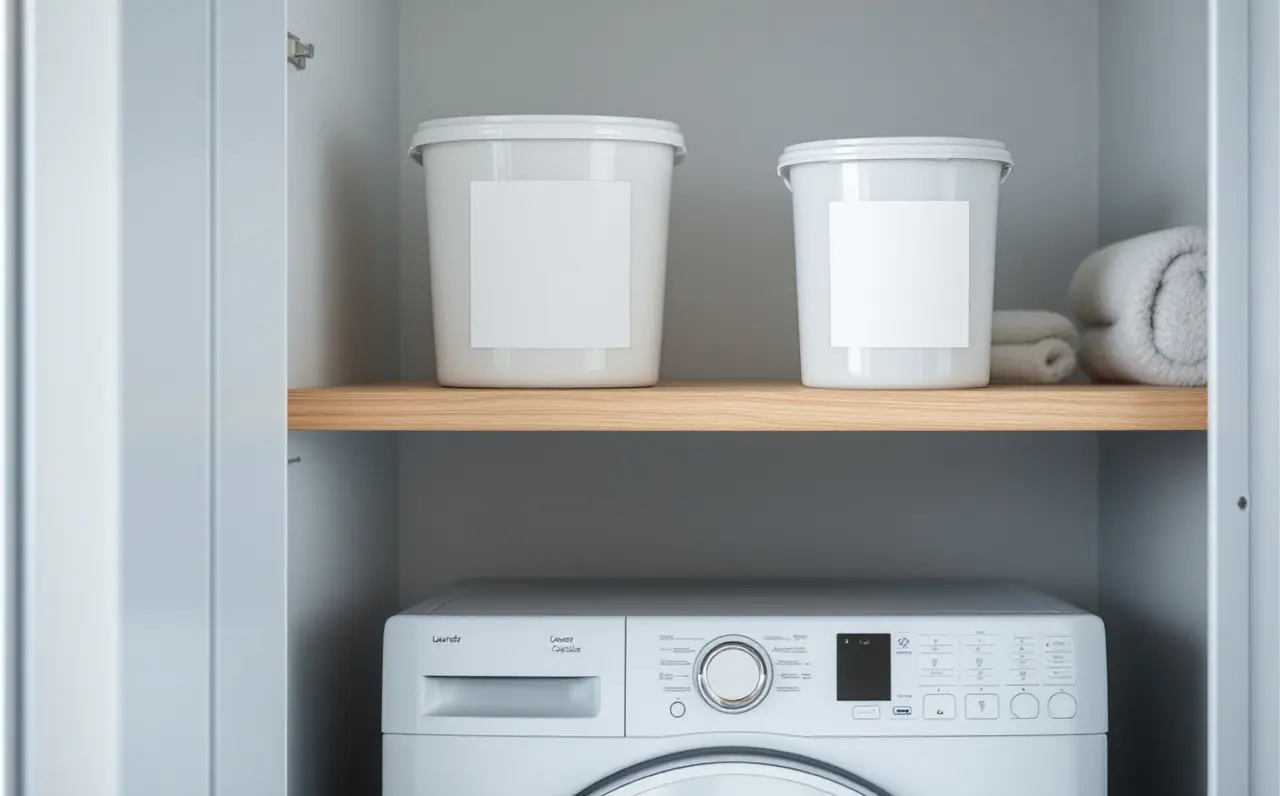
Liquid laundry capsules are soft, bright and burst easily, so they need more care than a bottle. What the tub is designed to do and the habits that matter.
Bleach reacts with ammonia, acids and several other cleaners to give off harmful gases. What it must never meet, where those products hide, and a safer routine.